


Breast Cancer & Liver Cancer Awareness Month: A Reminder to Prioritize Prevention in Phoenix


October brings attention to two important areas of cancer awareness: Breast Cancer Awareness Month and Liver Cancer Awareness Month.
While these cancers affect different parts of the body and require different approaches to screening, both awareness campaigns share an important message: understanding your risk and taking an active role in your health matters.
At Life Guard Imaging in Phoenix, our focus is on helping people become more proactive about their health through preventive imaging and greater awareness of what may be happening inside the body.
Breast Cancer Awareness Starts With Knowing Your Risk
For decades, October has helped bring breast cancer prevention, research and early detection into the national conversation.
That conversation still matters.
For women at average risk, the American Cancer Society recommends that women ages 40–44 have the option to begin annual mammograms, women ages 45–54 receive mammograms annually, and women 55 and older may transition to mammograms every two years or continue yearly screening.
Those recommendations can vary based on personal and family history, genetics and other risk factors.
Preventive CT imaging is not a substitute for mammography. Women should continue following their healthcare provider's recommendations for dedicated breast cancer screening.
The bigger message is simple: don't put off the screenings that are appropriate for you simply because you feel healthy.
October Is Also Liver Cancer Awareness Month
The liver performs critical functions throughout the body, yet liver health may receive far less attention than heart or lung health.
October is an opportunity to change that.
Liver cancer risk can be higher among people with chronic hepatitis B or hepatitis C, cirrhosis, certain metabolic conditions, heavy alcohol use and other established risk factors.
Some forms of liver disease can also progress without obvious early symptoms, making it especially important to understand your risk factors and talk with your healthcare provider about whether testing or surveillance is appropriate for you.
Liver cancer screening is generally targeted toward people at higher risk rather than recommended universally for everyone. Your healthcare provider can help determine whether you fall into a group that may benefit from regular surveillance.
Prevention Is Bigger Than One Screening
Being proactive about your health doesn't mean looking for one single test that can detect everything.
It means putting the pieces together.
Your family history. Your lifestyle. Your bloodwork. Age-appropriate cancer screenings. Your cardiovascular risk. Your physician's recommendations. And, when appropriate, preventive imaging.
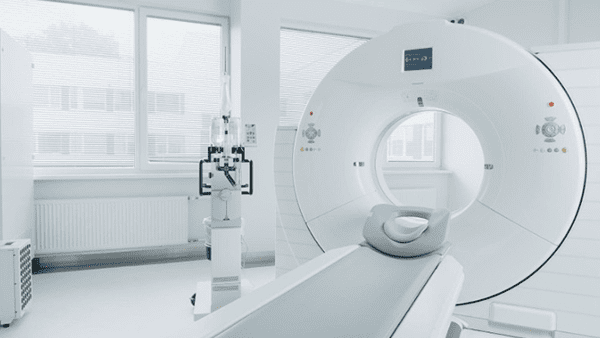
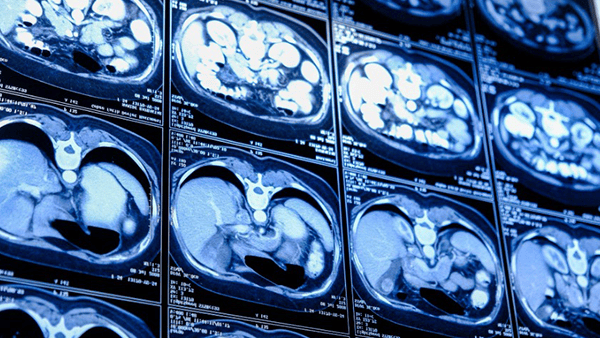
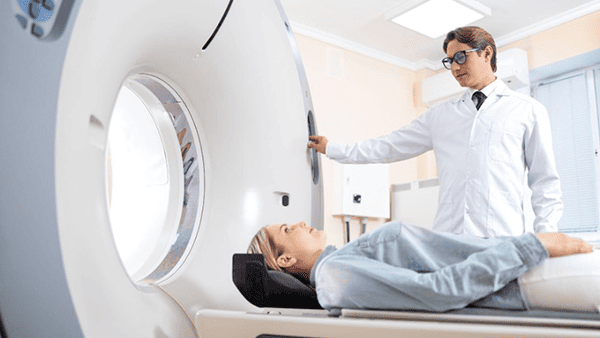
Life Guard Imaging uses advanced CT technology to provide detailed imaging of areas inside the body. Depending on the scan performed, imaging can provide valuable information about the heart, lungs, abdomen and other internal structures.
Findings from preventive imaging can help identify areas that may need further evaluation by your healthcare provider.
You Don't Have to Wait Until Something Feels Wrong
One of the biggest misconceptions about preventive healthcare is that you only need to investigate your health when symptoms appear.
Feeling good doesn't always tell the whole story.
That doesn't mean everyone needs every test. It means understanding your personal risks and making informed decisions before a health concern becomes impossible to ignore.
October is a good time to start that conversation.
Ask about your breast cancer risk. Learn about your liver health. Review your family history. Make sure you're current on recommended screenings. And consider what additional preventive information could help you and your healthcare provider better understand your overall health..
Take a Proactive Step This October
Breast Cancer Awareness Month and Liver Cancer Awareness Month give us an important opportunity to talk about cancer, but the goal extends far beyond October.
It's about building a habit of paying attention to your health year-round.
At Life Guard Imaging Phoenix, we're here to help you take a more proactive approach to understanding what's happening inside your body.
Preventive Imaging Continues to Evolve
Modern CT technology has transformed preventive cardiovascular screening.
In addition to evaluating coronary artery calcium, advanced imaging now allows physicians to assess other biomarkers that may provide meaningful insight into heart health.
The Epicardial Fat Report represents another step toward more personalized preventive care by making better use of information already available from your CT scan.
As new research emerges, quantitative assessment of epicardial fat is becoming increasingly recognized as a promising imaging biomarker for cardiovascular risk assessment.
Life Guard Imaging | Phoenix, Arizona
Learn more about our preventive imaging services and available screening options. Schedule your scan today and make your health a priority before symptoms give you a reason to.