


Epicardial Fat Report in Phoenix, AZ: A New Way to Learn More About Your Heart Health

July 15, 2026
Woman kissing smiling baby held in her arms.

Share this article

Doctor talking with patient at a desk, taking notes in a bright clinic office.

Looking Beyond Your Calcium Score

When it comes to understanding your heart health, every piece of information matters.


At Life Guard Imaging, we're excited to offer our new Epicardial Fat Report as an additional way to learn more about your cardiovascular health. This advanced analysis is performed using the same CT scan used for your heart screening, providing even more information without additional imaging, radiation, or time.


As research continues to evolve, epicardial fat is becoming an increasingly valuable marker that can help physicians better understand cardiovascular risk alongside traditional factors like coronary artery calcium, cholesterol, blood pressure, family history, and lifestyle. Recent studies continue to show an association between increased epicardial fat and coronary plaque progression, making it an exciting area of preventive heart imaging.

What Is Epicardial Fat?

Epicardial fat, also called epicardial adipose tissue (EAT), is a layer of fat that naturally surrounds your heart.


Unlike the fat found just beneath your skin, epicardial fat is considered metabolically active, meaning it releases hormones and inflammatory substances that can influence the nearby coronary arteries and heart muscle. While everyone has some epicardial fat, larger amounts have been linked to increased cardiovascular risk in many research studies.

Why Does Epicardial Fat Matter?

Researchers have found that higher amounts of epicardial fat are associated with:


  • Coronary artery plaque
  • Coronary artery calcification
  • Inflammation around the heart
  • Progression of coronary artery disease
  • Certain heart rhythm disorders such as atrial fibrillation


It's important to understand that epicardial fat does not diagnose heart disease on its own. Instead, it provides another valuable piece of information that can help build a more complete picture of your cardiovascular health.

How Is the Epicardial Fat Report Performed?

One of the biggest advantages of this report is its convenience.


Your Epicardial Fat Report is created using the CT images already obtained during your heart scan. There are:


  • No additional appointments
  • No injections
  • No contrast dye
  • No extra radiation exposure
  • No additional scanning


Specialized software measures the amount of epicardial fat surrounding your heart, allowing our physicians to include this information as part of your imaging results.


Why Is This Information Helpful?

Heart disease doesn't happen overnight.


Many people have normal cholesterol levels, maintain a healthy weight, or exercise regularly yet still develop coronary artery disease. Likewise, two people with similar calcium scores may have different overall cardiovascular risk profiles.


That's why physicians increasingly look at multiple factors instead of relying on a single number.


An Epicardial Fat Report may provide additional context that can support conversations with your healthcare provider about:


  • Overall cardiovascular risk
  • Lifestyle modifications
  • Weight management strategies
  • Exercise recommendations
  • Nutritional changes
  • Risk factor monitoring over time


The report should always be interpreted alongside your medical history and other clinical findings—not by itself.

Who May Benefit from an Epicardial Fat Report?

This additional information may be especially valuable for individuals who have:


  • A family history of heart disease
  • High cholesterol
  • High blood pressure
  • Diabetes or prediabetes
  • Obesity or increased abdominal fat
  • Metabolic syndrome
  • A history of smoking
  • An elevated coronary calcium score
  • An interest in preventive health


Even if you feel healthy, understanding your cardiovascular risk today may help guide healthier decisions for years to come.

Preventive Imaging Continues to Evolve

Modern CT technology has transformed preventive cardiovascular screening.


In addition to evaluating coronary artery calcium, advanced imaging now allows physicians to assess other biomarkers that may provide meaningful insight into heart health.


The Epicardial Fat Report represents another step toward more personalized preventive care by making better use of information already available from your CT scan.


As new research emerges, quantitative assessment of epicardial fat is becoming increasingly recognized as a promising imaging biomarker for cardiovascular risk assessment.

Why Choose Life Guard Imaging in Phoenix?

At Life Guard Imaging, we believe knowledge leads to better health decisions.


Our advanced CT technology provides fast, non-invasive imaging designed to give you valuable information about your cardiovascular health before symptoms develop.


Our experienced physicians carefully review every scan and provide detailed reports that you can share with your primary care physician or cardiologist.


Our goal isn't simply to find disease, it's to help you stay healthy through proactive screening.

Frequently Asked Questions

  • Does epicardial fat mean I have heart disease?

    No. Everyone has epicardial fat. The amount is simply one factor that may contribute to understanding your overall cardiovascular risk.

  • Is the Epicardial Fat Report included with my CT scan?

    The report is generated from your CT images without requiring another scan. Ask our team whether it is included with your selected screening package.

  • Does this replace a calcium score?

    No. A coronary calcium score remains an important part of heart disease screening. The Epicardial Fat Report provides additional information that complements, not replaces, your calcium score.

  • Will I need more radiation?

    No. The report is created using the CT images already obtained during your heart scan.

Schedule Your Screening in Phoenix

Understanding your heart health starts with information.


Whether you're interested in a coronary calcium score or learning more through our new Epicardial Fat Report, Life Guard Imaging is committed to helping you take a proactive approach to your cardiovascular health.


Contact our Phoenix location today to learn more or schedule your scan.

Recent Posts

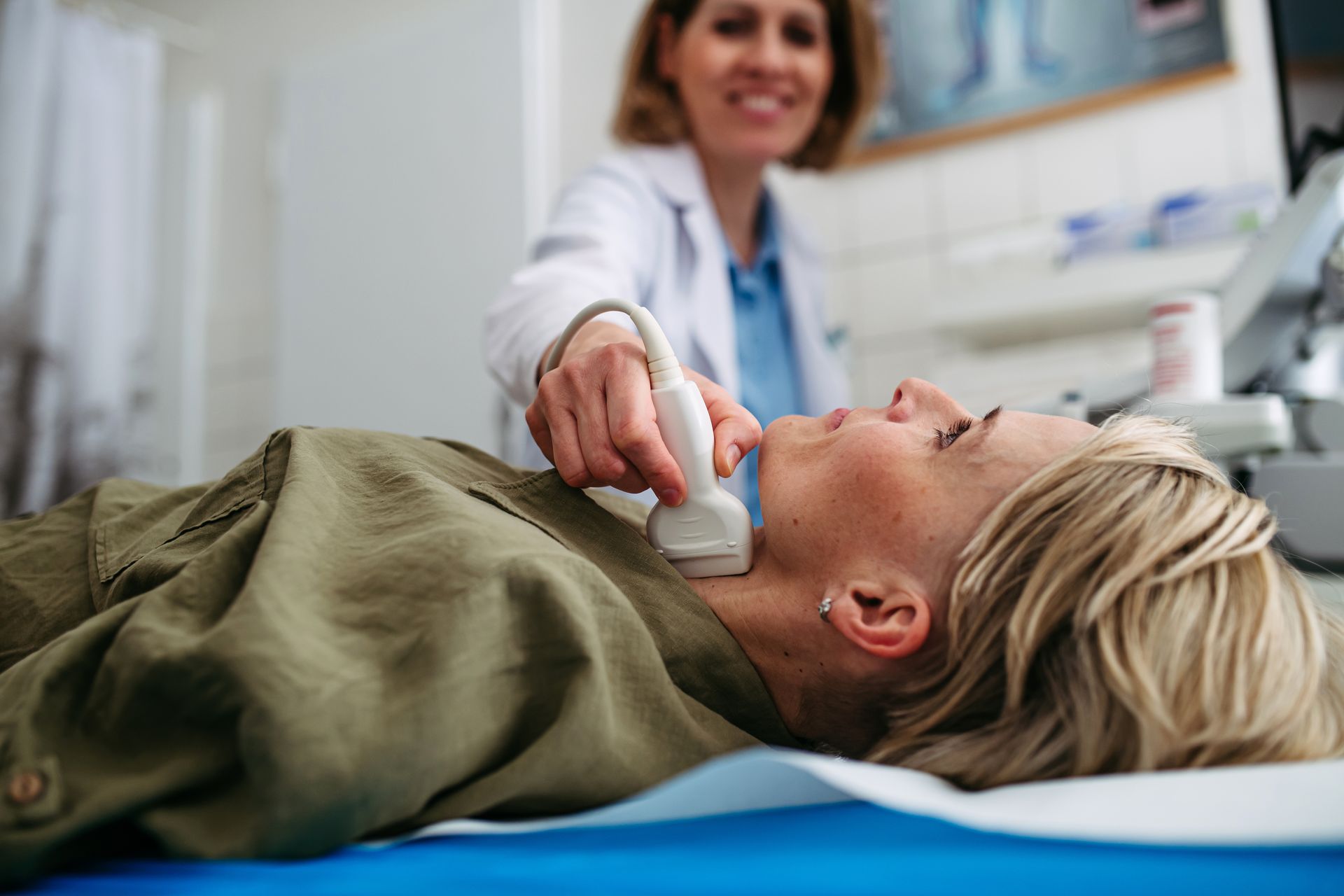
Doctor using ultrasound probe on patient lying on examination table
July 15, 2026
Learn how a carotid artery ultrasound can help identify plaque buildup in the carotid arteries and support a proactive approach to vascular health.
CT scan machine in a bright, modern room. A bed is positioned to enter the machine's circular opening.
November 26, 2025
Life Guard Imaging CT scan clinic in Phoenix shares information about the preventative care programs we offer for Phoenix’s first responders and their importance.
CT scan slices of the abdomen, showing internal organs in shades of blue.
November 26, 2025
Life Guard Imaging CT scan clinic in Phoenix discusses how a quick fifteen-minute low-dose CT scan can detect early stages of lung cancer and why it matters.
Woman lying in a CT scanner; doctor in white coat stands nearby, observing.
November 26, 2025
Life Guard Imaging CT scan clinic in Phoenix explains why giving the gift of a CT scan is a great idea for the holidays and could save the life of a loved one.

Doctor pointing at lung x-ray, explaining results to patient in an office.
November 26, 2025
The CT technicians at Life Guard Imaging CT scan clinic in Phoenix share why low-dose CT scans are ideal for diagnostic lung imaging and preventative screening.

Doctor pointing to a glowing, digital, skeletal representation of a human. Blue tones.
November 26, 2025
Life Guard Imaging in Phoenix, AZ discusses why a virtual colonoscopy is so important for screening for colon cancer early and how our team can help.
Doctor comforts patient sitting on a medical bed near a CT scanner.
November 26, 2025
Life Guard Imaging CT scan clinic in Phoenix, AZ discusses the importance of regular CT scans and the importance of preventative screening for Phoenix residents.
Surgeon viewing heart scan on monitor during surgery. Operating room setting, medical equipment.
November 26, 2025
Life Guard Imaging clinic in Phoenix shares how regular heart screenings, if you’re over the age of forty, can save your life. Visit our Phoenix clinic today!
CT scanner, white with a purple examination table; blurred interior of a medical facility.
November 26, 2025
Life Guard Imaging in Phoenix discusses common myths about CT scans so our patients are informed about how important CT scans are in preventative healthcare.